challenge
Design the brand, experience, and visual system for a new kind of wine destination in Shanghai—one that had to: Make wine genuinely accessible to a Chinese audience that had no established casual wine culture, without dumbing it down or patronizing. Replace the intimidation of traditional wine classification—region, appellation, varietal—with something intuitive and sensory. Function simultaneously as retail shop, tasting lounge, bistro, and neighborhood gathering place, each mode reinforcing the others. Express a deep sustainability commitment not as marketing, but as material reality—in the walls themselves. Compete in a hospitality market that treated wine as either luxury performance or afterthought. → The real brief wasn't a wine bar. It was to remove every barrier between a curious person and a glass of wine they'd actually enjoy—and to build that philosophy into brand, space, and system.
Client
JustGrapes
Format
Brand
ACTION
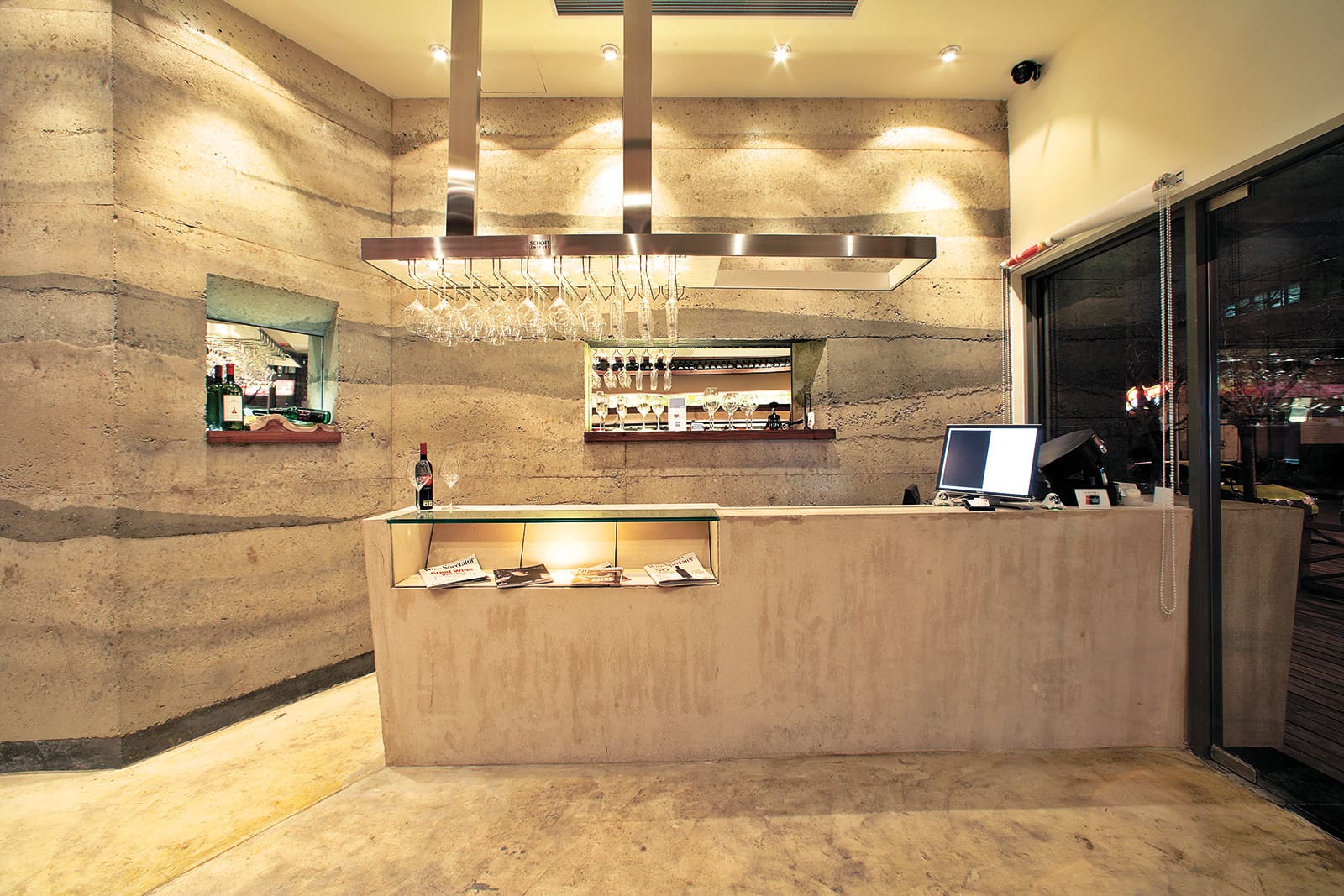
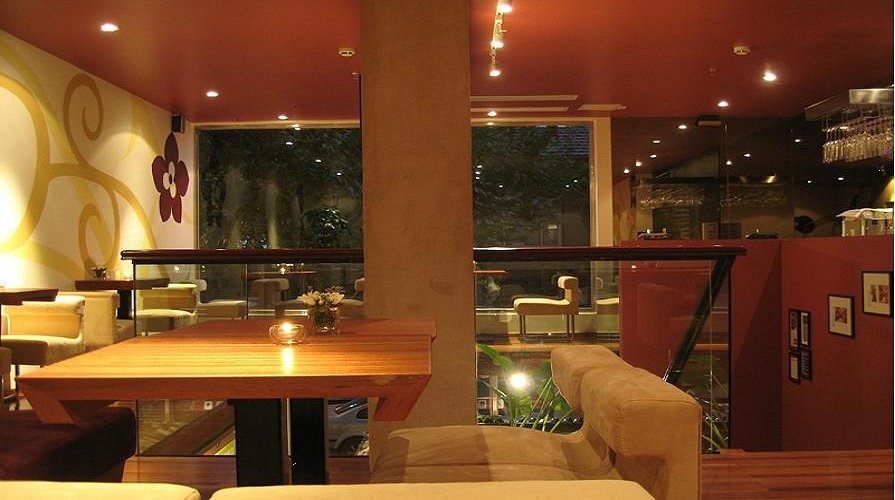
I led the brand identity, experience design, and visual system through SGTH Designs, working alongside A00 Architecture who brought the spatial and structural vision. The project demanded that brand thinking and architectural thinking develop together—neither could lead alone. The Taste System — Replacing Expertise with Intuition Designed a proprietary wine classification system that organized 500+ labels not by grape or geography, but by how they taste. Three primary categories—Fresh, Smooth, Rich—gave every customer an immediate entry point. Within each, a sticker-based iconography system mapped specific flavor attributes: fruity, floral, grassy, minerally, nutty, oaky, spicy, toasty, earthy. Every bottle in the shop carried these labels in both Chinese and English. The system did something radical for 2006 Shanghai: it shifted authority from the sommelier to the drinker. You didn't need to know that a Sancerre is Sauvignon Blanc from the Loire Valley. You needed to know you like "fresh, grassy, minerally"—and the shelf would guide you there. This wasn't simplification. It was translation—from expert language to sensory language—and it became the system that won the DFA Design for Asia Award. Developed the brand concept, naming, and visual identity to work across an unusual hybrid: a space that was simultaneously a retail environment (browse, buy, take home), a hospitality venue (sit, eat, drink, stay), and an educational platform (taste, learn, explore). The identity had to feel warm and approachable without losing credibility with serious wine drinkers. The solution was restraint—letting materials, typography, and the taste system do the work, rather than over-designing a "wine brand" aesthetic. Worked with A00 Architecture on an interior that made the sustainability ethos structurally visible. The flagship on Anfu Lu was built using SIREWALL rammed earth construction—raw, layered earth walls that became both structure and display, with wine bottles recessed directly into the rammed earth. A hanging steel staircase cantilevered off the earth walls, leading to an upper tasting room. Reclaimed wind-fallen timber was used throughout, giving the space a warmth and texture that felt handmade against the precision of the wine system. The material choices weren't decorative sustainability. They were the brand's values made architectural—local materials, low-carbon construction, permanence over disposability. In a city of rapid demolition and rebuild, Just Grapes was designed to feel like it had always been there. Designed the experience flow so that retail and hospitality reinforced each other naturally. You could walk in to buy a bottle and end up staying for a glass and a plate of food. You could come for dinner and leave with a case. The taste system bridged both modes—the same iconography that organized the retail shelves appeared on the bistro wine list, creating a consistent language whether you were shopping or dining. This wasn't two businesses sharing a space. It was one experience with multiple entry points.
RESULTS
DFA Design for Asia Award (2008) from the Hong Kong Design Centre — recognizing the brand identity and taste classification system as a breakthrough in making wine culture accessible across language and expertise barriers. Featured in the Wall Street Journal, CNNgo, Time Out Shanghai, and That's Shanghai — coverage that positioned Just Grapes as a design-led hospitality concept, not just another wine bar. Expanded from the Anfu Lu flagship to multiple locations across Shanghai, including Yongkang Lu, Dagu Lu, and beyond — the brand system proving scalable without losing character. Still operating and still winning recognition nearly twenty years later, including Tripadvisor Travelers' Choice awards — a longevity that speaks to the durability of the original brand and experience design. The taste system became the defining feature that customers and press consistently cited — evidence that the design innovation, not the wine list, was the real product. Became a proof point, alongside URBN Hotels, that brand experience design could integrate identity, space, service, and system into a single coherent whole.
LEADERSHIP LENS
Just Grapes tested something I'd carry through every project since: can design remove barriers without removing depth? The taste system didn't simplify wine—it reframed it. The rammed earth walls didn't signal "eco"—they embodied it. The challenge was designing a system smart enough to disappear. Clarity – Reduced the complexity of wine selection to three words (Fresh, Smooth, Rich) and a sensory iconography—giving every customer, regardless of expertise or language, a way in. Cadence – Partnered with A00 Architecture across a process where brand system and spatial design had to develop in lockstep—the rammed earth shelves only worked because the bottle display system was designed for them, and vice versa. Care – Respected the customer's intelligence while removing the gatekeeping. The taste system trusted people to know what they like—it just gave them the vocabulary. That same respect extended to materials: local earth, reclaimed timber, honest construction. Just Grapes was where I first proved that brand identity isn't a layer applied to a space—it's a system that lives in the product, the shelf, the wall, and the conversation between a customer and a bottle they've never tried before.