challenge
Dell's Experience Design Group (EDG) was navigating a product landscape that was shifting fast. Enterprise collaboration was moving beyond the conference room. Mobile work was becoming the default, not the exception. VR was generating enormous hype but unclear commercial value. Across all three areas, Dell had product concepts and prototypes in development, but limited insight into how real users actually behaved in context, what they valued, and where the genuine opportunities sat versus the noise. The underlying challenge was consistent across all three programmes: Dell needed to move beyond engineering-led assumptions and ground its product roadmap in observed human behaviour, tested
Client
Dell
Format
Brand
ACTION
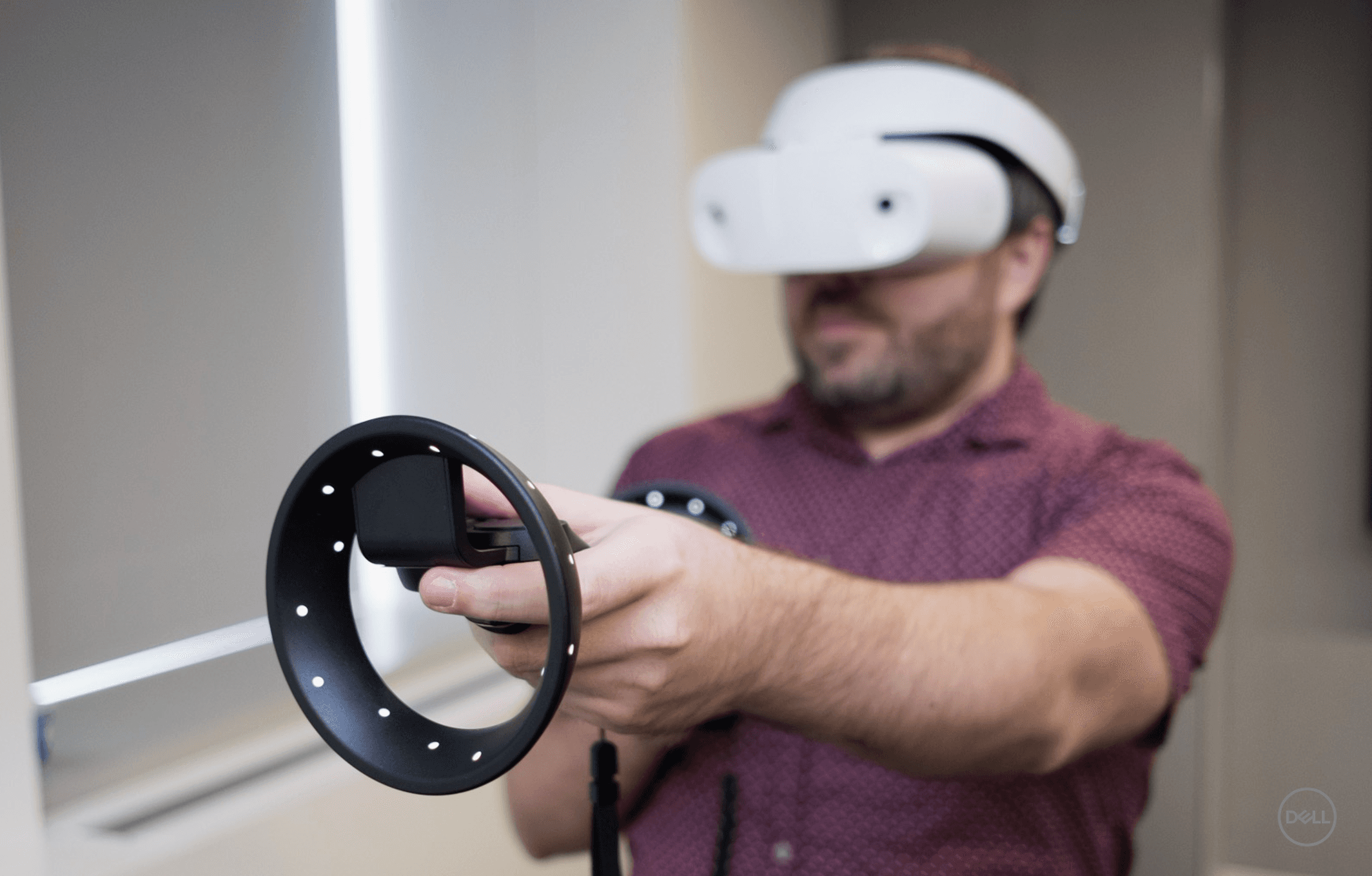
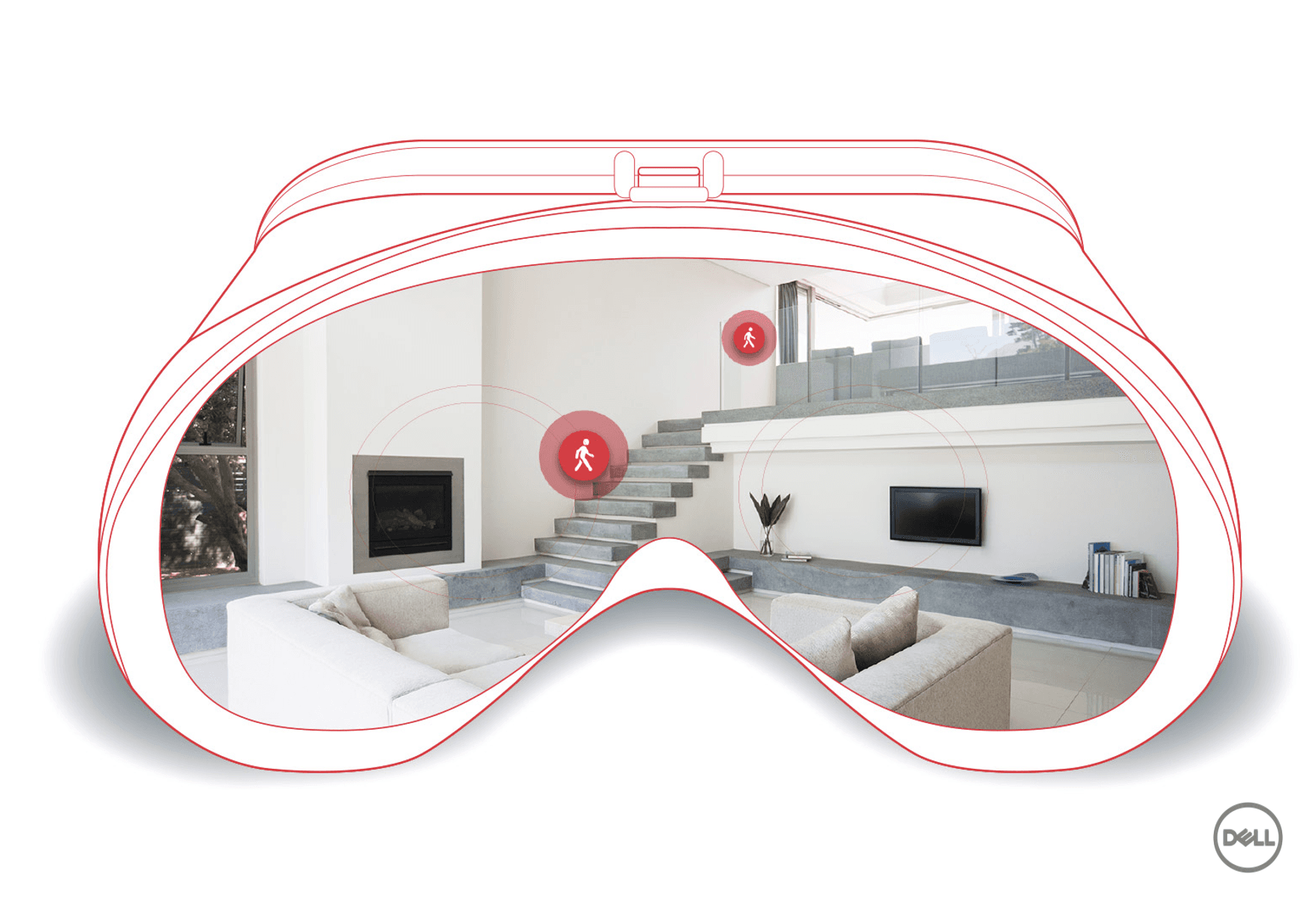
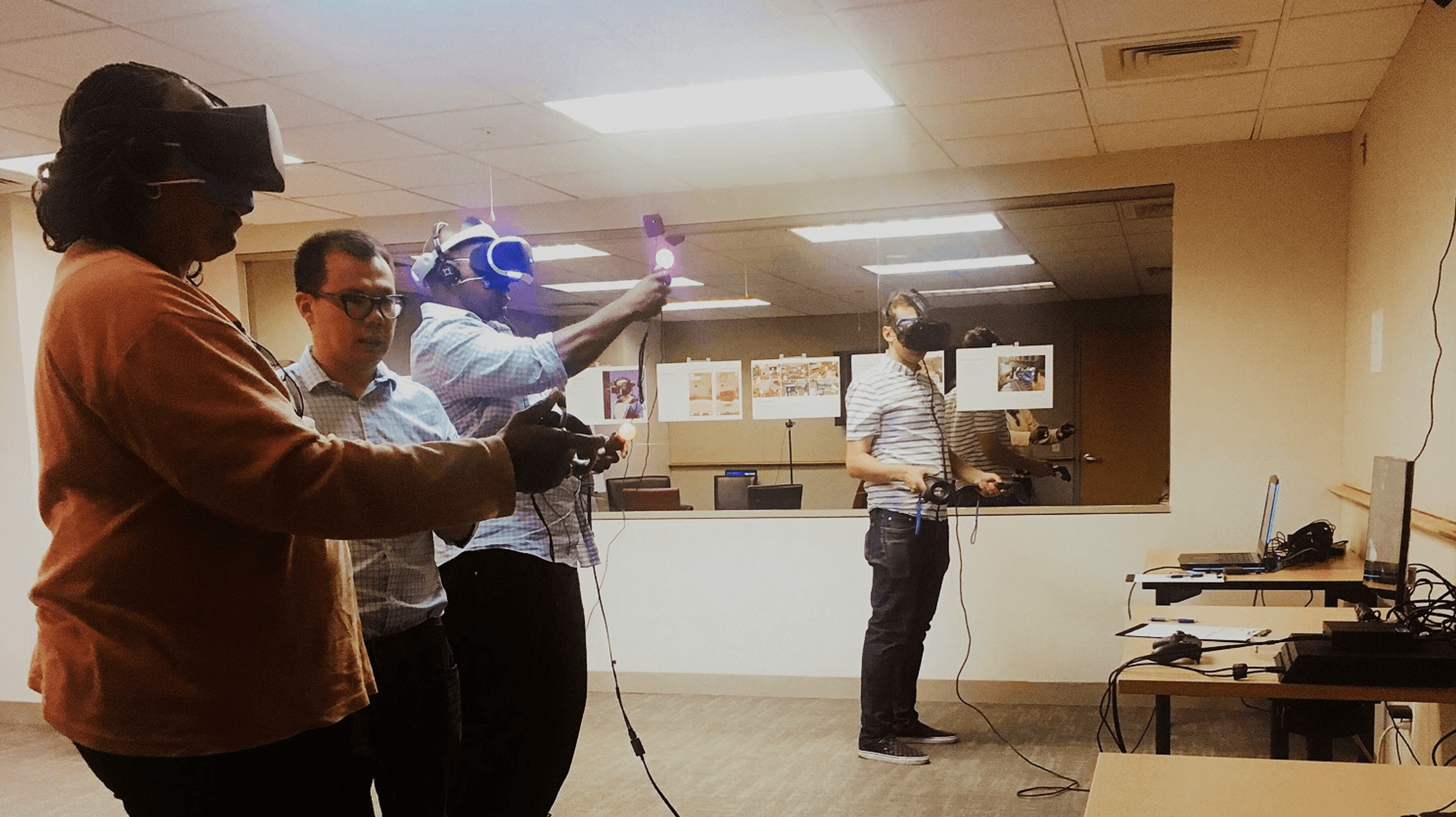
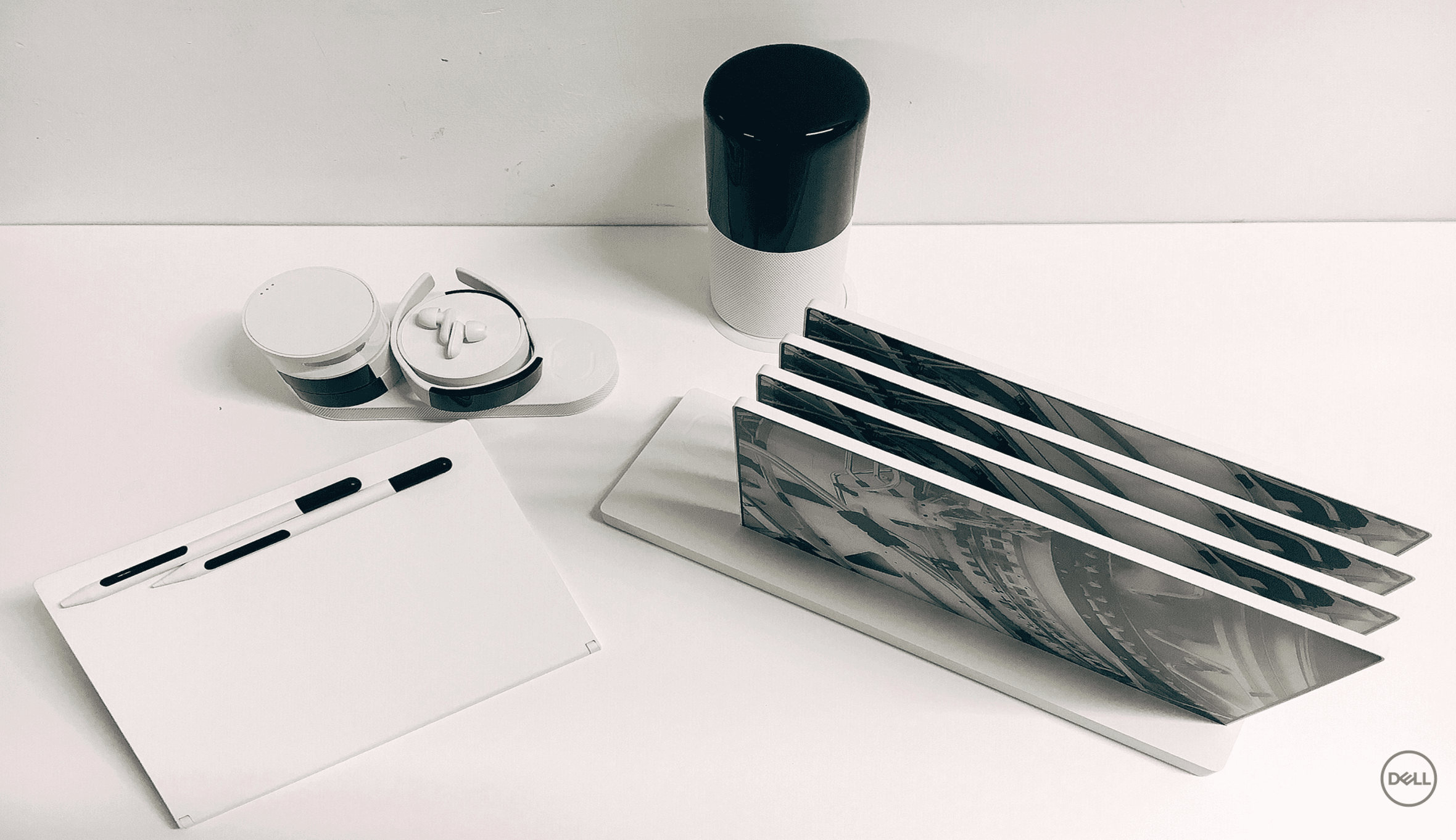
As Head of XD Singapore at Foolproof, I led a multi-phase design research programme for Dell EDG across three product categories. Each had its own research design, but the method was shared: observe real behaviour, test physical concepts, and translate insight into product direction. Mobile Workforce, New York (2017) Mapped how mobile knowledge workers used devices and workspaces across 39 observed environments. Developed a hierarchy of needs, from power and portability through to work-life balance, then tested six physical white models of future concepts against it. Key finding: consistency in product design language drove attachment more than raw specs, and portability outranked performance, which users treated as a given. VR Headset Gen2, New York (2017) Dell needed to plan its Gen2 head-mounted display roadmap. We combined desk research, ethnography at a public VR arcade, and focus groups where participants tested multiple headsets alongside the Dell Visor. Consumer, creator, and commercial users had fundamentally different core drivers, leading to the recommendation that Dell segment by use case rather than build one device for all. Collaboration Space, Singapore (2018) Researched meeting room technology usage across 27 interviews with end-users and IT decision-makers. Identified a clear opportunity space between basic and fully equipped rooms that no product was serving. Usability testing surfaced critical issues with the concept before production investment. The bigger insight: the real opportunity was in mobility, not the room itself.
RESULTS
Delivered a research-backed hierarchy of needs for Dell's mobile workforce product strategy, directly informing which concept directions to pursue and which to deprioritise. White model testing provided quantified user preference data across six future product concepts, giving Dell's product teams evidence to support investment decisions rather than relying on internal assumptions. Identified that Dell's Gen2 VR strategy should segment by use case (consumer vs commercial) rather than attempt a universal device; a strategic pivot from the original brief. Surfaced critical usability issues with the collaboration device concept before production investment, saving development cost and redirecting the product team toward a mobility-first positioning. Built a sustained research partnership with Dell EDG across three product categories and two geographies (Singapore, New York), establishing Foolproof as a strategic design research partner for Dell's physical product planning.
LEADERSHIP LENS
This wasn't a single project. It was a sustained relationship with a global technology manufacturer, built on the ability to enter unfamiliar product domains and deliver value. Clarity: I led research into VR headsets, collaboration hardware, and mobile peripherals without being a hardware specialist. The value was in the method and the framing, not domain expertise. Each programme delivered findings that product teams could act on, not research they had to interpret. Cadence: Each programme combined ethnographic observation, structured interviews, and physical prototype testing in a consistent rhythm. We didn't ask people what they wanted. We watched how they actually worked, tested concepts in their hands, and built the evidence base over time across three categories and two geographies. Care: The deliverables were strategic recommendations that shaped product roadmap decisions, supported by frameworks (hierarchy of needs, opportunity mapping, segment-specific drivers) that Dell's internal teams could use long after we left. We treated their product ambition with the same seriousness they did.